You need CEUs. Make them relevant.
Professional Learning From Trusted Autism Experts
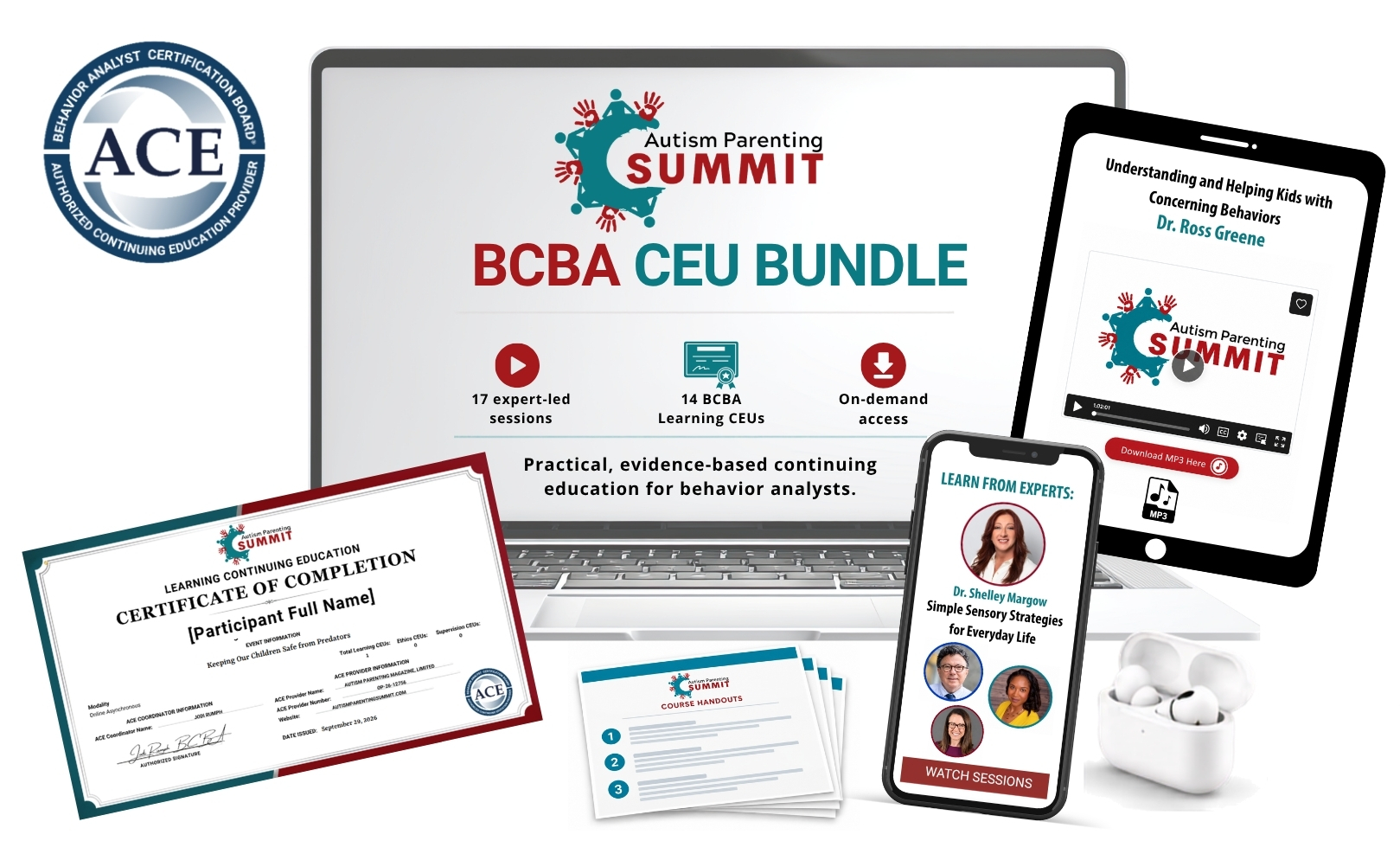
Earn 14 Learning CEUs through practical, autism-focused sessions designed to support your professional development.
Professional Learning Built Around the Work You Actually Do
You already have enough competing for your attention - clients, documentation, caseload demands, and ongoing professional responsibilities.
So when you invest time in continuing education, it should give you more than credits.
The CEU Bundle gives you access to autism-focused sessions covering behavior, communication, sensory needs, development, safety, and more. All available on demand.
Meet your certification requirements while gaining knowledge you can actually use in practice.

Explore the CEU Bundle
More than a certificate
Professional learning from trusted experts.
Supporting autistic children and families involves more than observable behavior. Explore communication, sensory needs, demand avoidance, development, family relationships, and practical strategies for addressing complex challenges in autism care.

Sensory
Simple Sensory Strategies for Everyday Life
Dr. Shelley Margow · OTD, BCBA
President, Academy ABA
Differentiate sensory-driven behaviors from learned behaviors by analyzing patterns of sensory processing, environmental triggers, and behavioral function during clinical assessment.
Identify characteristics of hyper-responsive and hypo-responsive sensory processing across multiple sensory systems and interpret how these patterns may influence observable behavior and daily functioning.
Apply sensory-informed intervention strategies by selecting appropriate environmental accommodations and behavior-based skill-building approaches based on an individual's sensory profile and clinical presentation.

Behavior
Understanding and Helping Kids with Concerning Behaviors
Dr. Ross Greene · PhD
Founder, Lives in the Balance
Identify lagging cognitive and emotional regulation skills, as well as unsolved problems, that contribute to challenging behaviors in autistic children using the Collaborative & Proactive Solutions (CPS) framework.
Differentiate between reactive, behavior-focused interventions and proactive, collaborative problem-solving approaches that emphasize developmental variability and expectation management.
Apply the Collaborative & Proactive Solutions (CPS) model by using the Assessment of Skills and Unsolved Problems (ASUP) and Plan B conversations to develop individualized, mutually satisfactory solutions with children.

Communication
Moving from Echolalia to Communication
Dr. Monica Hudnall · EdD, CCC-SLP
Analyze barriers to effective communication for autistic individuals, including assumptions about competence, communication access, and environmental supports.
Differentiate communication approaches that promote authentic participation from practices that may unintentionally restrict communication opportunities.
Apply evidence-informed augmentative and alternative communication (AAC) and communication partner strategies that support autonomy, participation, and meaningful communication across everyday environments.

Special Education
Making Learning Fun
Vanessa Beibide-Zanetich · BCBA, MEd
Founder, The Special Education Teacher LLC
Differentiate between intellectual ability and functional performance by identifying executive functioning, sensory, emotional, and social factors that may contribute to learning challenges in autistic learners despite strong cognitive abilities.
Apply evidence-informed strategies to increase learner engagement by incorporating individual interests, choice-making opportunities, and motivating instructional activities while preserving the value of preferred interests for regulations.
Analyze the distinction between reinforcement and bribery and select reinforcement strategies that promote skill acquisition, independence, and long-term intrinsic motivation.

Profound Autism
Understanding Profound Autism
Dr. Cynthia Martin · PsyD
Founder & Director, CM Psychology & Developmental Care
Analyze the historical evolution of autism diagnostic criteria and explain how changes in diagnostic classification have influenced clinical practice and service delivery.
Differentiate the proposed characteristics of profound autism from broader autism spectrum presentations by evaluating cognitive, communication, adaptive functioning, and lifelong support needs.
Apply emerging evidence regarding profound autism to clinical assessment, report writing, interdisciplinary referrals, and individualized treatment planning for individuals with high support needs.

Behavior
Autism or Just Stubborn?
Mitch Leppicello · MSW, LICSW
Creator, The CALM Compass
Differentiate between behaviors associated with cognitive rigidity ("stuck thinking") and behaviors that are more consistent with intentional noncompliance or typical developmental resistance.
Analyze environmental, emotional, and communication factors that contribute to cognitive rigidity and behavioral escalation in autistic individuals.
Apply evidence-informed strategies to increase cognitive flexibility, support successful transitions, and reduce distress through individualized, strength-based interventions.
Communication
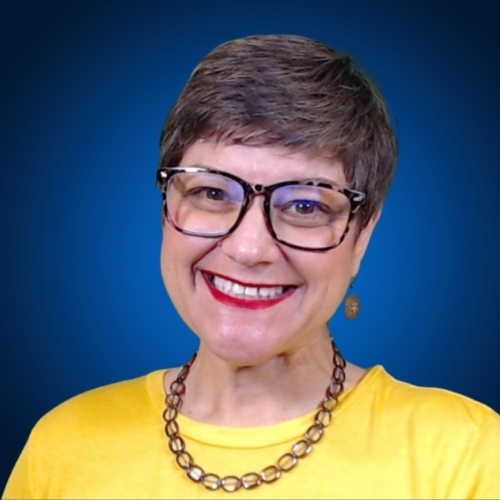
Activating FUNctional Speech
Marci Melzer · M.Ed, SLP
Founder, Waves of Communication
Analyze the relationship between functional communication, neuroplasticity, and language development in autistic children and late talkers.
Differentiate communication approaches that facilitate functional speech development from strategies that may inadvertently limit spontaneous language use.
Apply evidence-informed coaching and language-modeling strategies to promote functional communication during naturally occurring daily interactions.

Sensory
Overcoming Clothing Dilemmas
Heather Harris · OT
Founder, Thriving Kids London Pediatrics
Analyze the sensory processing factors that contribute to clothing-related distress and dressing challenges in autistic children and other children with sensory processing differences.
Differentiate sensory-based clothing challenges from behaviors maintained by other environmental or behavioral factors to support appropriate intervention planning.
Apply evidence-informed occupational therapy strategies to improve dressing participation through environmental modifications, sensory supports, caregiver coaching, and individualized clothing adaptations.

Safety
Keeping Our Children Safe from Predators
Lt. Joseph Pangaro · CPM, CSO, MOI
Owner, Pangaro Training
Identify risk factors that increase vulnerability to grooming, abuse, and exploitation among autistic children and adolescents across home, school, community, and online environments.
Recognize common grooming behaviors, behavioral warning signs, and communication changes that may indicate abuse or exploitation in autistic children.
Apply evidence-informed prevention strategies, including teaching body autonomy, consent, personal safety, caregiver supervision, and multidisciplinary reporting practices to reduce the risk of victimization.

Behavior
Beyond Behaviour: A Neuroaffirming Understanding of PDA
Dr. Destiny Huff · LPC
Owner, Destiny Huff Consulting
Differentiate the characteristics of Pathological Demand Avoidance (PDA), also referred to as Persistent Drive for Autonomy, from behaviors that may be misinterpreted as defiance or noncompliance.
Analyze how nervous system regulation, perceived loss of autonomy, and environmental demands influence behavior and distress in individuals with PDA.
Apply neurodiversity-affirming strategies that prioritize safety, autonomy, collaboration, and individualized support across home, school, and community settings.

Behavior
When Behavior Is Communication: A Trauma-Informed Approach
Jenna Smith · M.A.T., M.S. (ECSE), CNP.
Founder, Every Child Advocacy Foundation
Analyze behavior as a form of communication by identifying the underlying environmental, emotional, sensory, and developmental variables that influence observable behavior.
Differentiate behaviors that reflect unmet needs, nervous system dysregulation, or skill deficits from behaviors that may be interpreted solely as noncompliance or intentional misconduct.
Apply evidence-informed, neurodiversity-affirming strategies that address the function of behavior while promoting regulation, skill development, and collaborative caregiver support.
Parenting
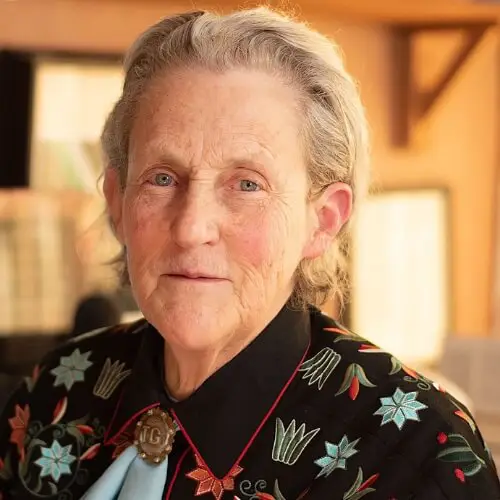
Temple Grandin Answers Questions About Common Parenting Problems
Temple Grandin · PhD
Colorado State University, Distinguished Professor of Animal Science
Analyze factors that promote successful transition to adulthood for autistic individuals, including independent living, vocational preparation, and adaptive life skills.
Differentiate evidence-informed parenting strategies that foster independence from practices that may unintentionally increase long-term dependence.
Apply practical, individualized strategies to support employment readiness, daily living skills, sensory needs, and community participation across development.

Communication
Connecting With Nonverbal Children
Tinita O. Kearney · PhD, CCC-SLP
Founder & CEO, Shifting Perspectives, LLC
Identify verbal and nonverbal forms of communication used by autistic children and explain how these behaviors communicate needs, emotions, and preferences.
Differentiate communication barriers from intentional noncompliance by interpreting behavior, body language, and environmental factors using a communication-focused framework.
Apply evidence-informed, relationship-based strategies that strengthen parent-child communication through observation, modeling, attunement, and responsive interaction.

Transitioning to Adulthood
Preparing for a Job Interview
Helen Genova · PhD
Associate director of the Center for Autism Research, Kessler Foundation
Identify common factors that contribute to employment and interview challenges experienced by autistic young adults during the transition to the workforce.
Evaluate evidence-informed strategies for preparing autistic job seekers for interviews, including communication skills, self-presentation, and interview practice.
Apply practical approaches to support interview preparation by incorporating individual strengths, appropriate accommodations, and structured coaching into employment planning.
Transitioning to Adulthood
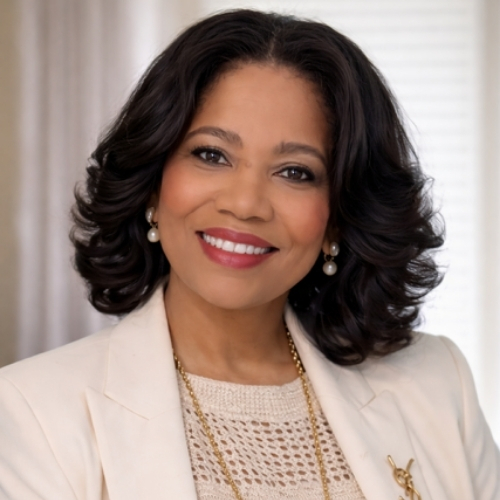
Puberty: Body Changes and Social Vulnerability
Dr. Kendra Pitman Smith · L.H.D.
Founder, Heartfelt Connections Inc
Identify the physical, emotional, sensory, and social changes associated with puberty in autistic children and adolescents.
Apply developmentally appropriate communication strategies, including visual supports, concrete language, and explicit instruction, to prepare autistic youth for puberty, hygiene, relationships, and personal boundaries.
Implement family-centered strategies that promote emotional regulation, independence, personal safety, and healthy social development during puberty.
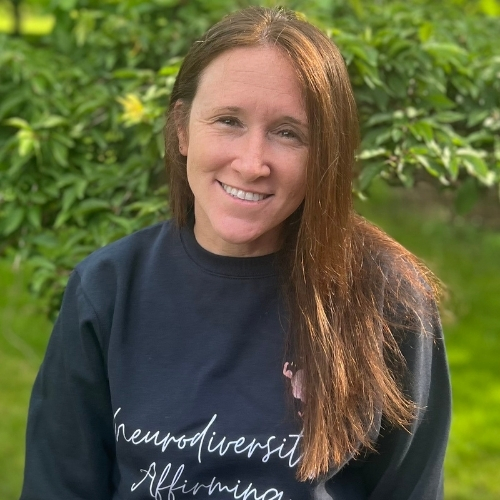
Communication
Strategies for Late Talkers
Maggie McGarvie · SLP
Identify developmental indicators and communication characteristics that distinguish late talkers from children who may require further evaluation or intervention.
Analyze factors that influence communication development in autistic children and late talkers, including receptive language, play, caregiver interactions, and individual developmental differences.
Apply neurodiversity-affirming, evidence-informed strategies to support functional communication through play-based, child-led interactions and caregiver coaching.

Communication
Stimming as Communication
Dr. Yvonne Chong · DC, ICSC, FIBFN-CND
Founder, NeuroactiveHub
Explain the neurological and sensory functions of stimming and distinguish self-regulatory stimming from behaviors that may require intervention for safety.
Identify environmental, sensory, and physiological factors that contribute to increased stimming by analyzing behavioral patterns and contextual triggers.
Apply neurodevelopmental and family-centered strategies to support self-regulation by addressing underlying sensory, physical, nutritional, and emotional needs rather than focusing solely on suppressing stimming behaviors.
Turn the autism sessions you already value into professional credits
Regular Price $585 Early Bird Price $234
Less than $17 per CEU hour
60% DISCOUNT ENDS IN:
Continuing Education Approved

A clear path from session to certificate
No uncertainty about what happens after you purchase.
Watch
Complete each qualifying session whenever it works for you, with on-demand access.
Complete
Submit your quiz answers and session feedback.
Download
Receive your CE certificate upon completion.

BACB Authorized Continuing Education Provider
Clear CEUs. No confusion about what counts.
Autism Parenting Magazine Limited is a BACB Authorized Continuing Education Provider.
Learning CEUs only—does not include Ethics or Supervision CEUs.
Provider Number: OP-26-12756

Already joining the Summit?

Summit access
Watch the general Summit program according to your registration or access pass.

CEU Bundle
Access all 17 qualifying session recordings, complete the required knowledge checks, and earn up to 14 BCBA Learning CEUs.
Regular Price $585 Early Bird Price $234
Less than $17 per CEU hour
60% DISCOUNT ENDS IN:
Questions before you purchase?
These BACB Learning CEUs are intended for eligible BCBAs and BCaBAs who want autism-focused continuing education that is relevant to their professional practice.
The sessions may also be valuable to speech-language pathologists, occupational therapists, educators, psychologists, counselors, social workers, and other professionals who support autistic individuals and families.
However, these professionals should check with their own licensing or certifying body to determine whether the training can count toward their individual continuing education requirements.
No. The CEU Bundle is a separate professional purchase and is not included with standard Autism Parenting Summit registration or the Lifetime Access Pass.
The bundle includes access to all 17 qualifying session recordings, knowledge checks, feedback forms, and CEU certificates. You do not need to purchase the Lifetime Access Pass separately.
Yes. Your purchase includes on-demand access to all 17 qualifying session recordings. You do not need a separate Summit registration or Lifetime Access Pass to watch them.
No. The bundle provides up to 14 BACB Learning CEUs only. It does not include Ethics or Supervision CEUs.
No. You can choose which qualifying sessions you want to complete and earn the corresponding CEUs.
To earn all 14 BCBA Learning CEUs available in the bundle, you must successfully complete the requirements for all qualifying sessions.
For each qualifying session, you must:
- Watch the complete session recording.
- Complete the required knowledge check successfully.
- Submit the session feedback form.
- Follow the instructions provided to receive your CEU certificate.
Watching a session without completing the remaining requirements will not qualify for CEU credit.
Yes. All 17 qualifying sessions are available on demand, so you can complete them around your caseload and other commitments.
All session requirements must be completed within the stated access period.
You will receive a CEU certificate after successfully completing the recording, knowledge check, and feedback requirements for each qualifying session.
Please keep every certificate for your professional records.
You are responsible for retaining your certificates and reporting your completed continuing education to the BACB when required.
Autism Parenting Magazine Limited provides certificates confirming successful completion but does not manage your BACB renewal application.
You will need a reliable internet connection, a current web browser, and a computer, tablet, or compatible mobile device.
For the best viewing and assessment experience, we recommend using a computer or tablet.
Please contact support team [email protected] and include the email address used for your purchase. Our team can assist with session access, technical problems, or certificate questions.
If the problem continues, visit our Contact Us page.
Built around your real workload
Does this sound familiar?
Make your required learning matter
Complete the CEUs you need. Take away ideas you'll actually use.
Regular Price $585 Early Bird Price $234
Less than $17 per CEU hour
60% DISCOUNT ENDS IN: